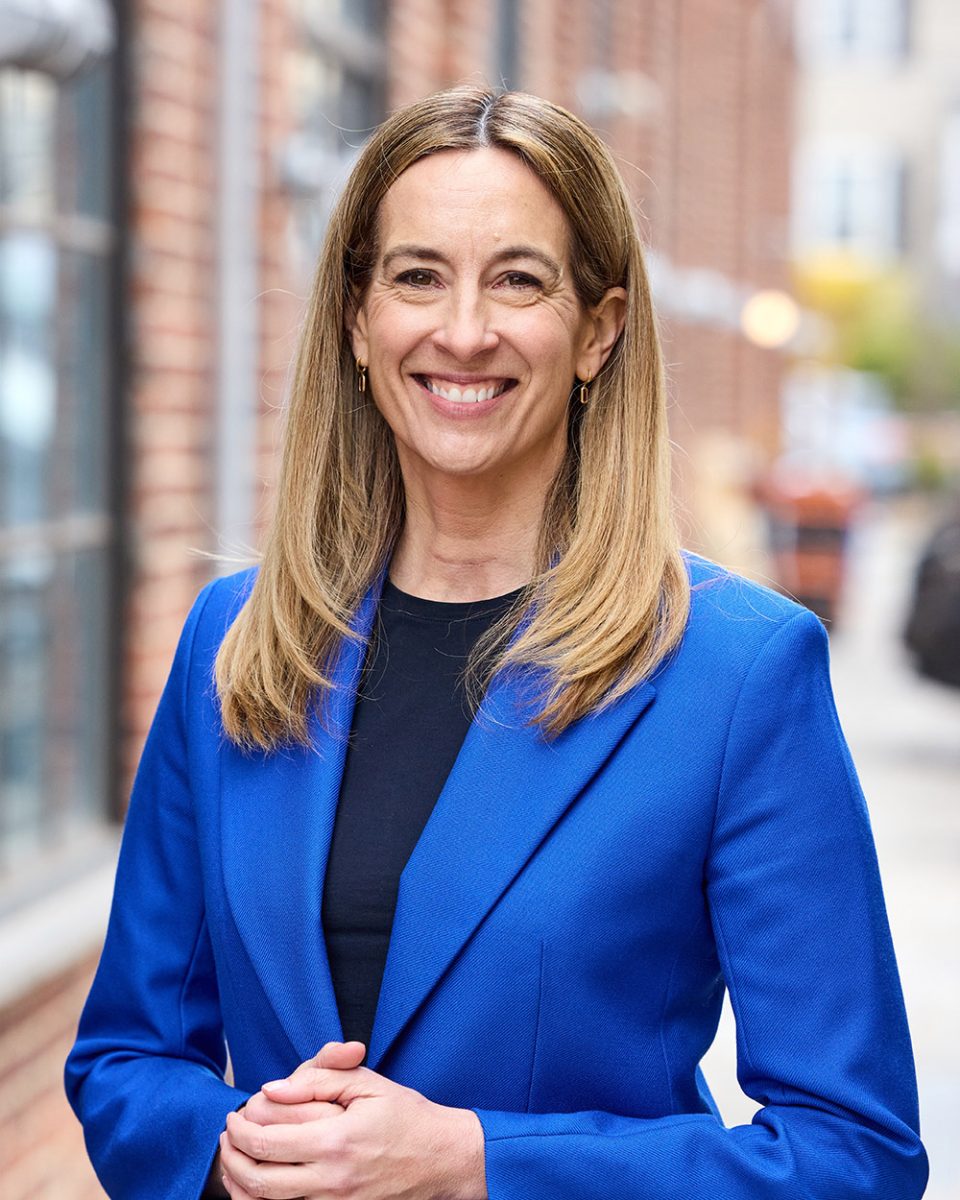
As Governor-elect Mikie Sherrill takes office on January 20, 2026, she is introducing a wide-ranging plan to improve New Jersey’s education system. Her team says that strengthening public schools will be one of her major priorities.

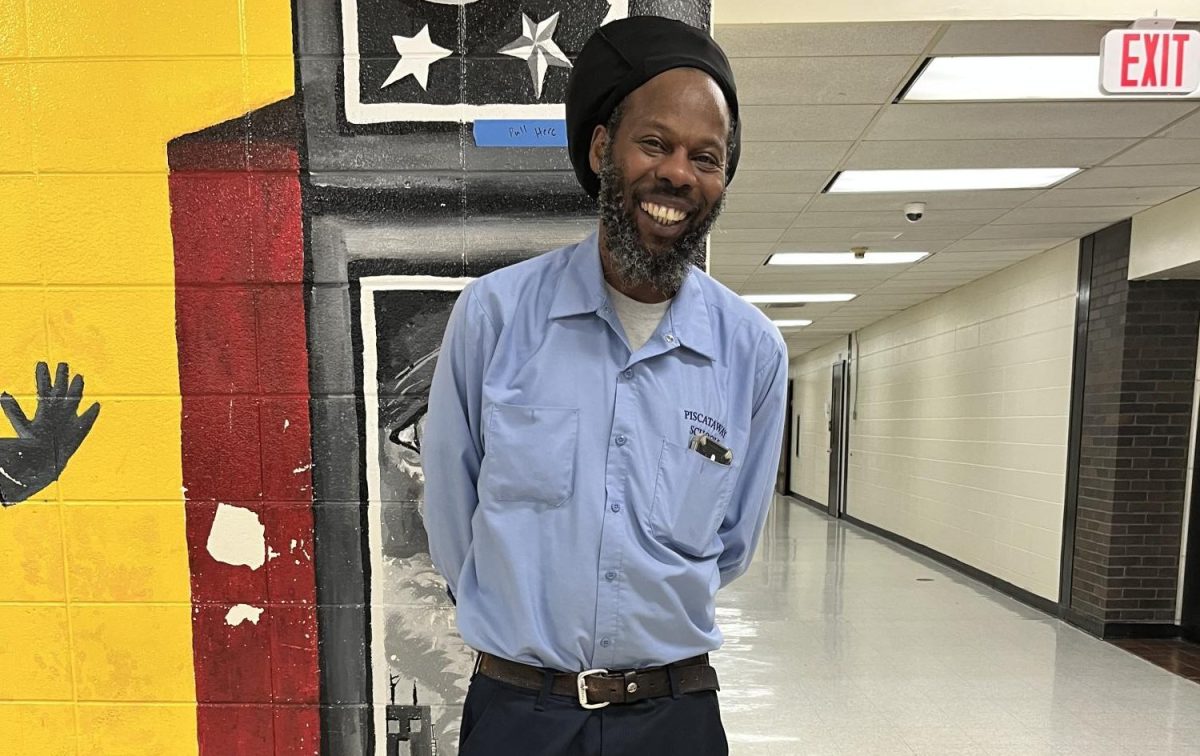
One of Governor-elect Mikie Sherrill’s main goals is protecting and stabilizing teacher pensions, especially for educators affected by the Tier system. She supports moving teachers who were placed into Tier 5 back into Tier 1 if it happened because of a break in service, and she plans to continue fully funding the pension system. According to Mr. Rick Brown, PHS school counselor and union representative, many teachers are unsure how the system even works.
“I think there’s a lot of uncertainty and confusion… a lot of times they don’t even understand what tier they’re in and what that means,” said Brown.
Sherrill has said that “a pension is a promise,” and she believes keeping that promise helps attract and keep strong teachers. Mr. Brown explained that the differences between tiers are serious, especially when it comes to retirement age and benefits.
“People at Tier 5 essentially have to work until 65 years old to receive a full pension… if I chose to retire at 55, my pension benefit would be reduced by 30%,” said Mr. Brown.
Sherrill is also focused on improving student support in schools. She wants districts to hire more counselors and psychologists, expand free school meals, and offer preschool and full-day kindergarten programs. She argues that students learn best when their basic needs, like food, safety, and mental health, are met.
Another major part of Sherrill’s plan focuses on fixing New Jersey’s unpredictable school funding formula, which can cause districts to gain or lose large amounts of money from one year to the next. This makes it difficult for schools to plan, especially when funding affects staffing, programs, and student support. As Mr. Brown explained, funding decisions made years ago still affect schools today.
“There were decisions made with previous governors… to remove money from supporting the teacher pension, and that led to decisions being made later,” said Mr. Brown.
Sherrill wants a more stable and fair formula, so all students have equal access to strong public schools. She also supports removing cellphones from classrooms, expanding arts and sports, and creating new pathways into teaching. Brown noted that unstable funding forces educators to make long-term sacrifices.
“With less funding, educators end up working longer and paying more into the system just to receive less at the end,” said Brown.
At Piscataway High School, unstable funding can directly affect students by limiting programs and support services. When districts face sudden budget changes, schools may struggle to keep elective classes, clubs, or student support programs fully staffed and funded. Mr. Brown’s point about educators having to work longer and contribute more also matters to students, because teacher stress and burnout can impact the classroom experience. A more stable funding system would help PHS plan, keep experienced teachers, and maintain programs that support student learning and well-being.
During her time in Congress, Sherrill pushed for federal funding to help schools reopen safely after the pandemic and introduced legislation to expand tutoring for students struggling with learning loss. She also worked closely with community colleges to support career training and programs for first-generation students, efforts she plans to continue as governor.
Although her administration has not finalized every detail, Sherrill’s message is clear: she wants every student in New Jersey to have the chance to succeed, and she believes that strong schools and supported educators are the key to making that happen.