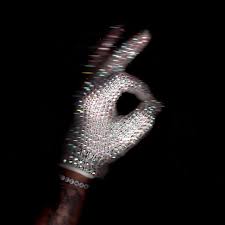
On May 15, Drake surprised fans by releasing not one, but three albums at once: Iceman, Habibti, and Maid of Honour. The unexpected release quickly became a major topic of conversation online and throughout Piscataway High School, where students shared mixed opinions on both the music and Drake’s influence on current culture.
For many PHS students, the triple album drop was shocking simply because of its scale.
“My reaction when I saw the three albums was crazy,” said Daksh Bhatt. “I couldn’t believe what I was looking at, and I didn’t know how to process it.”
Muntaha Naveed shared a similar reaction.
“I was super shocked,” Naveed said. “It was so unexpected for him to drop three albums because he’s been teasing Iceman for so long and people were scared he wasn’t going to drop it.”
The release spread quickly across student social media feeds, group chats, and lunch table conversations, reflecting how influential major artists remain within high school culture. Students debated whether Drake’s decision to release three albums was ambitious or simply too much at once.
“I think that releasing three albums was excessive but I think he did this to get the three UMG albums out of his contract so he can become an independent artist,” Bhatt said. “So he didn’t release his best music in my opinion.”
Others viewed the release differently.
“I think it was ambitious,” Naveed said. “Each album was catered to a different audience to reach every audience possible.”
Some students were more critical of the albums themselves.
“I think that Drake’s new albums were severely underwhelming, especially for the amount of buildup and hype it received,” said Mateo Blaumann. “The beats were subpar at best, the lyricism was cliché and the overall albums’ quality felt poor.”
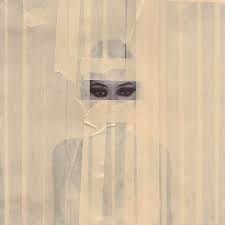
Despite criticism, many students still acknowledged Drake’s influence both inside and outside of school culture.
“I definitely think that Drake is the biggest artist in hip hop still,” Bhatt said. “There is no rapper or R&B artist that would be able to create that much hype behind an album.”
Naveed agreed, pointing to Drake’s consistency despite criticism online.
“I think Drake is still the biggest hip-hop artist no matter the amount of criticism he receives,” Naveed said. “His albums are always hits and are always in the top songs played.”
Students also discussed how artists like Drake shape trends within high school environments, from music preferences to fashion and slang.
“Artists like Drake surely affect high school culture,” Bhatt said, “as high schoolers try to replicate what these people are wearing, their mannerisms, and how they talk.”

At PHS, students already have differing opinions on which songs from the release will become the most popular. Bhatt predicted “Plot Twist” would dominate conversations among students, while Naveed believed “2 Hard 4 the Radio” would gain the most traction because of its popularity on social media platforms.
Not all students disliked the release. Aryana Patel praised Iceman in particular, citing its stronger song quality compared to the other albums.
“My personal favorite is the Iceman album,” Aryana said. “The reason behind this is because I really like the quality of those songs over the ones from Maid of Honour or Habibti.”
Aryana highlighted songs such as “National Treasures,” “Plot Twist,” “Ran to Atlanta,” “What Did I Miss?” and “B’s on the Table” as standouts from the project.
Whether students saw the albums as ambitious, disappointing, or overhyped, Drake’s release succeeded in doing one thing: getting PHS students talking. In an era where music spreads instantly through TikTok trends, Instagram reels, and streaming platforms, Drake once again proved that his releases remain major cultural events, even inside the halls of Piscataway High School.